

Global Apparel Leaders Drive Tech Upgrades and Strategic Trade Deals in 2026

Share Post
The global apparel industry is entering a pivotal competitive phase in 2026, with leading manufacturing nations and major brands ramping up technology reforms, automation adoption, and strategic trade negotiations to stay ahead in a dynamic global market.
Industry Context & Drivers
Intensifying global competition and shifting trade policy environments — including evolving tariff structures and new free‑trade agreements — are compelling apparel manufacturers to rethink traditional strategies. Leading apparel exporters are focusing on modernising supply chains, adopting advanced manufacturing technologies, and securing access to lucrative markets through trade deals and tariff concessions.
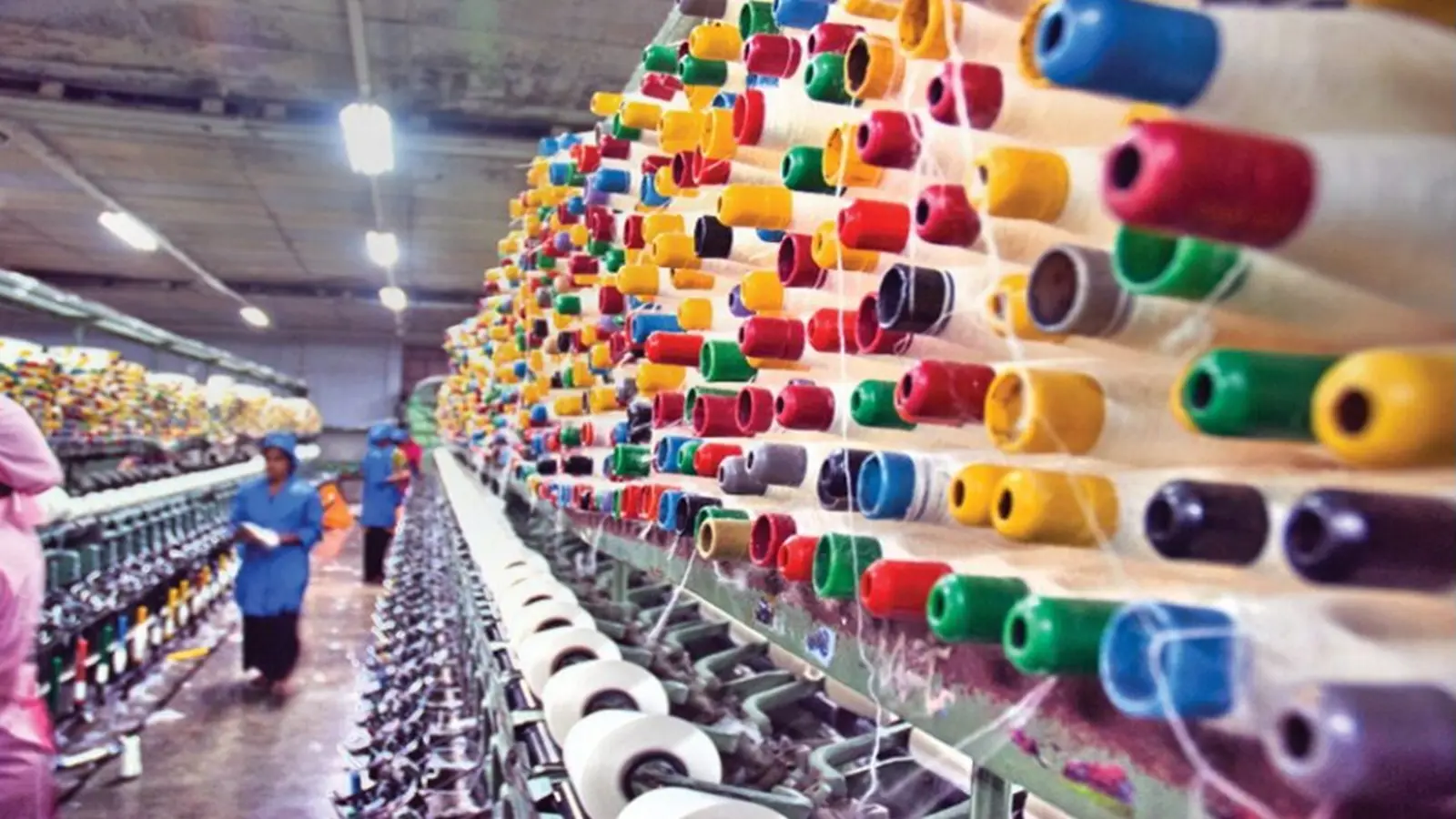
Global brands are increasingly investing in automation, digitisation, and data‑driven production lines to improve efficiency, reduce cycle times, and cut costs. This tech focus includes automated cutting and sewing systems, smart quality monitoring, and production tracking tools that help factories respond faster to market demands while maintaining competitive pricing.
Trade Deals and Market Diversification
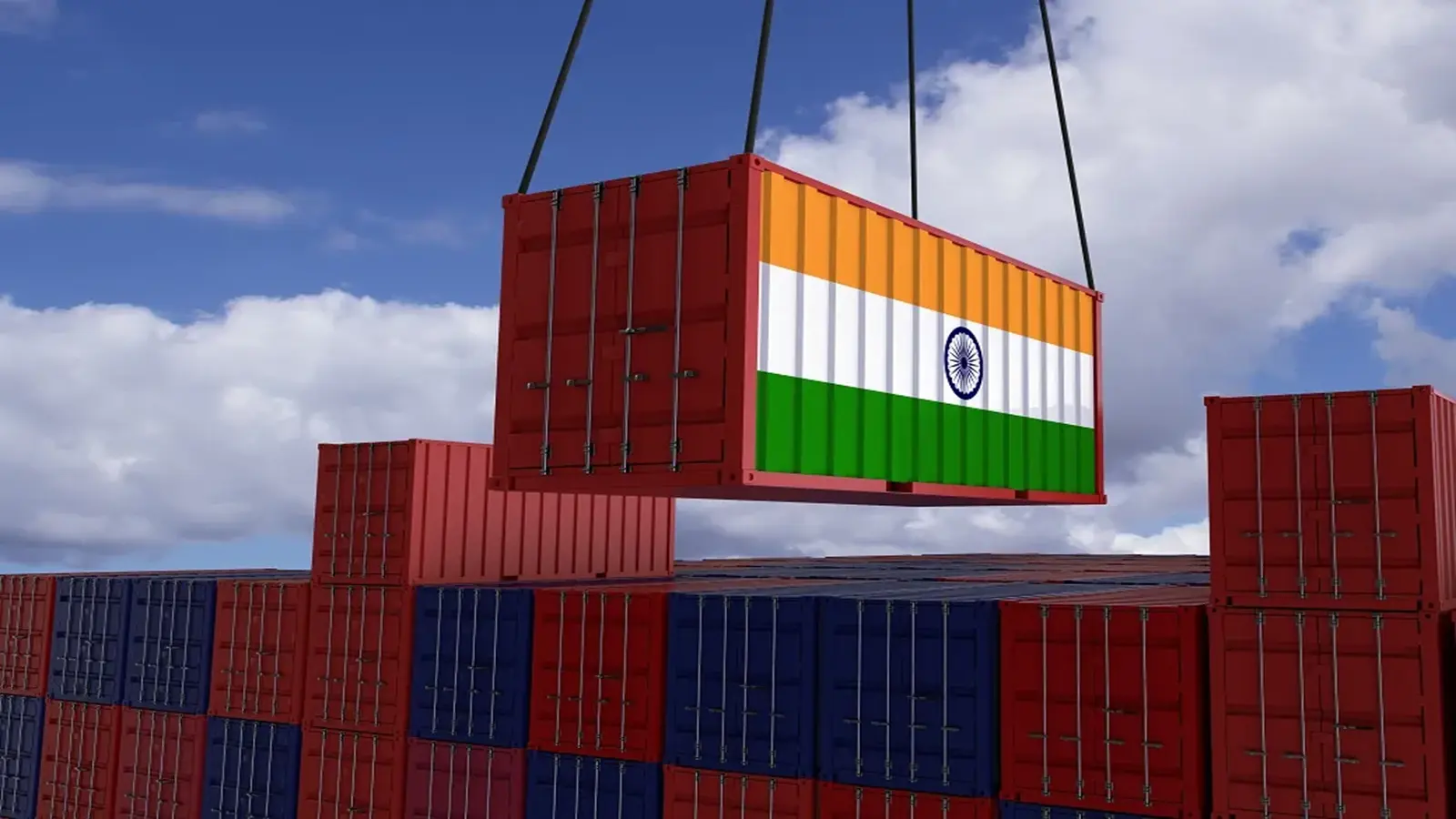
Trade policy is now a core competitive lever for apparel exporting countries. Large textile producers are leveraging bilateral and multilateral trade agreements to reduce tariffs and expand their market reach. For instance, recent developments such as the landmark India–European Union Free Trade Agreement are expected to open up significant new opportunities for textile and apparel exports by reducing or eliminating duties across a broad swath of product categories.
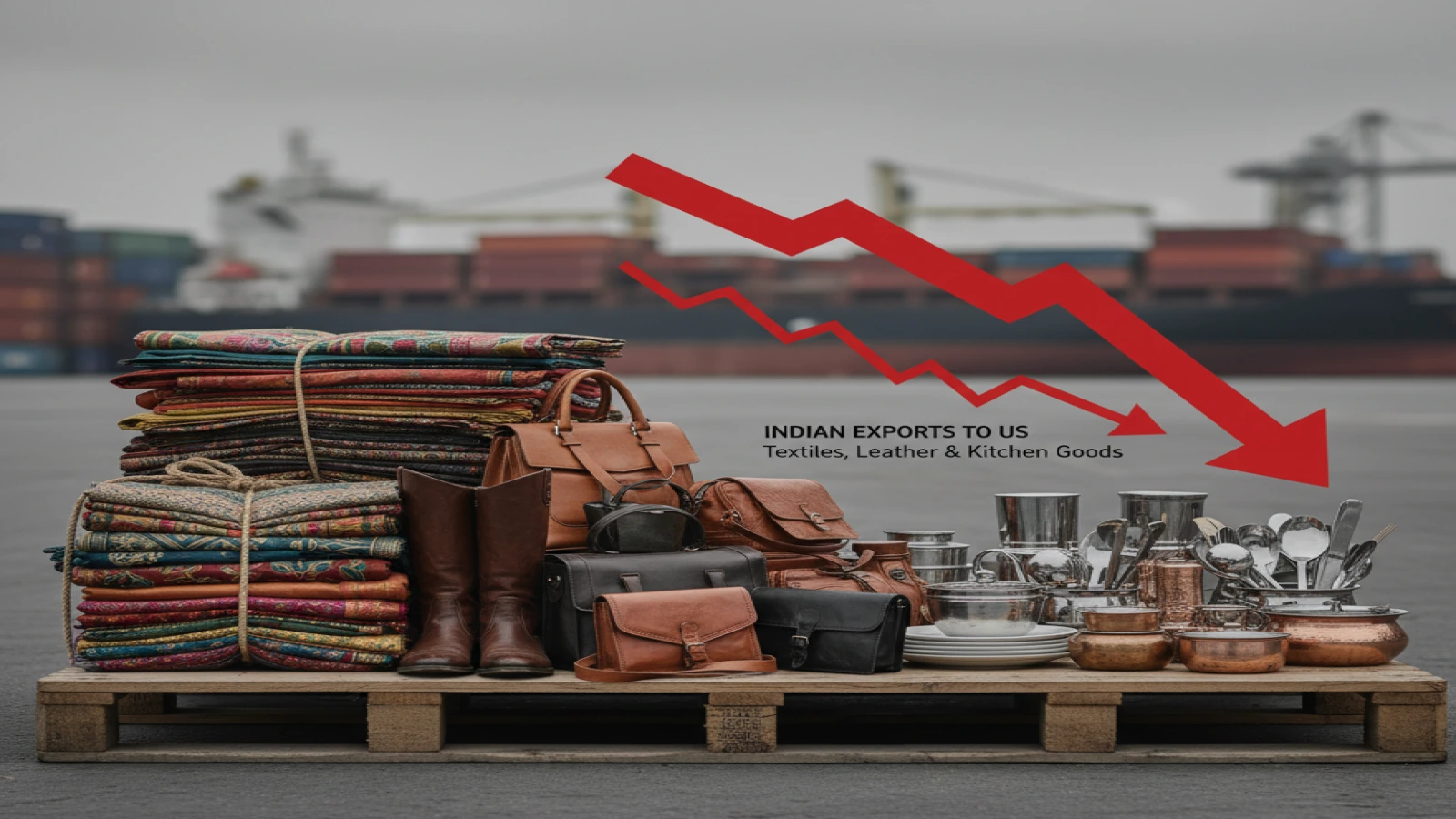
In parallel, broader market diversification efforts are underway, as exporters redirect shipments toward regions offering favourable duty‑free access or preferential treatment. Such moves aim to mitigate volatility arising from protectionist policies in traditional markets like the United States, where tariff disputes have pressured suppliers.
Tech Reforms and Supply Chain Modernisation
Industry leaders highlight that competitiveness in the next decade will depend as much on technological prowess as on traditional cost advantages. Investment in advanced manufacturing technologies, including robotics, AI‑assisted production planning, and Industry 4.0‑linked automation, is enabling apparel manufacturers to not only improve productivity but also enhance traceability and compliance with global standards.
Brands are also exploring digital trade platforms, logistics optimisation, and sustainability metrics to align with evolving buyer expectations, particularly in developed markets where environmental and ethical standards are increasingly part of purchasing decisions.
Strategic Implications for Exporters
-
Market access through trade pacts: New or expanding trade deals are crucial for textile exporters to maintain cost competitiveness and secure stable demand.
-
Technology and automation: Investment in modern manufacturing tech helps reduce lead times and improve product quality, a key differentiator in global sourcing decisions.
-
Diversification strategies: Exporters are shifting focus to multiple regional markets to spread risk and tap emerging demand centres.
02:48 PM, Mar 17

.webp)
.webp)
Epic Group Launches $100 Million Odisha Mega Garment Hub in India
12:59 PM, May 01Industry Update

1.webp)
1.webp)
1.webp)


1.webp)

1.webp)
India’s Textile Exports Slip in FY26, Exposing Structural Gaps in Global Competitiveness...view more
1.webp)
1.webp)
.webp)

1.webp)
1.webp)
1.webp)
1.webp)

1.webp)

1.webp)


1.webp)
1.webp)

1.webp)
1.webp)

1.webp)
1.webp)
1.webp)


1.webp)
1.webp)


1.webp)


1.webp)


1.webp)
Punjab Eyes Green Transformation of Textile Processing Clusters to Attract Global Brands...view more

1.webp)

1.webp)
1.webp)

1.webp)


1.webp)
1.webp)
1.webp)


1.webp)
1.webp)


1.webp)

1.webp)
1.webp)


1.webp)

1.webp)


1.webp)


1.webp)
1.webp)
1.webp)


Kolkata Set to Become Textile Sourcing Hub as YARNEX and TEXINDIA Return in January 2026...view more
1.webp)
1.webp)


1.webp)


1.webp)

1.webp)
1.webp)
1.webp)
1.webp)


1.webp)
1.webp)


1.webp)

1.webp)


1.webp)



1.webp)


1.webp)

1.webp)
1.webp)


1.webp)

1.webp)
.webp)

1.webp)

1.webp)







1.webp)







1.webp)

1.webp)





1.webp)






.png)


.jpg)


1.jpeg)
