

Bangladesh’s New Labour Law Signals Historic Shift for Garment Workers’ Rights
Share Post
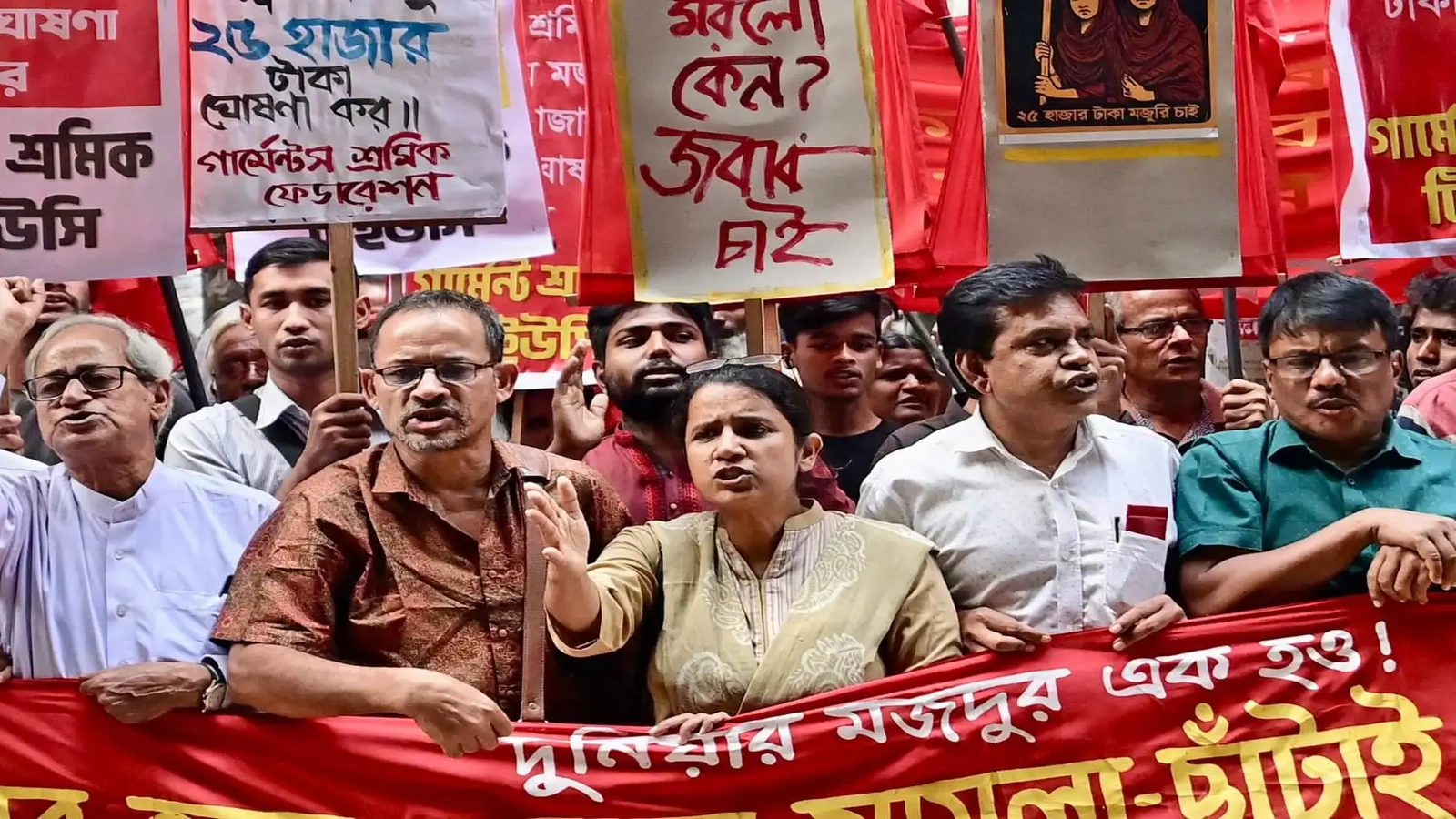
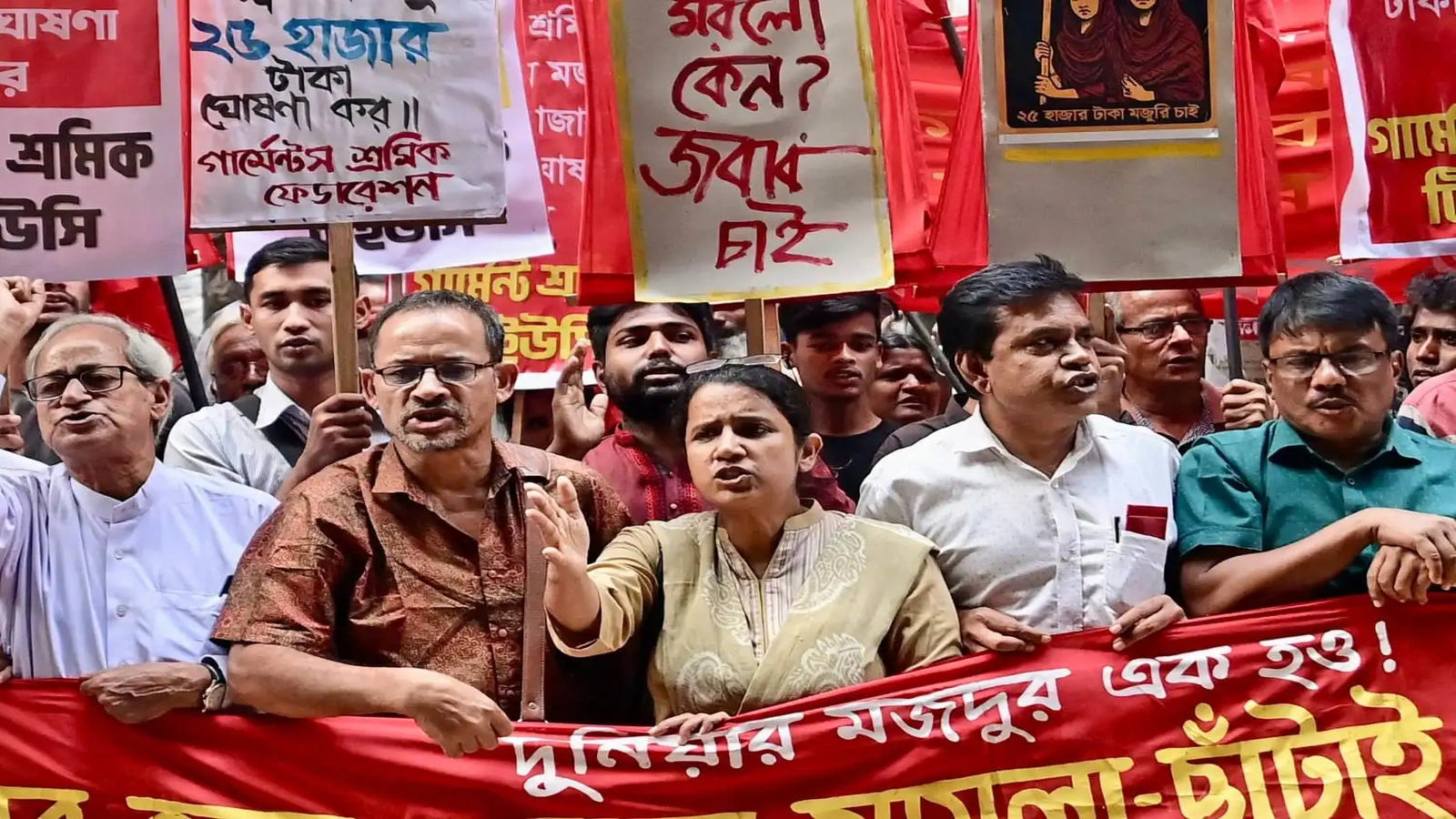
Bangladesh’s garment sector is undergoing a significant transformation with the introduction of the Bangladesh Labour (Amendment) Act 2026, a reform widely viewed as a turning point for worker rights and unionisation. The country’s apparel industry, which employs nearly four million workers, has long faced criticism for restrictive labour policies that made it difficult for workers to form unions. One of the most contentious requirements was the need for at least 20% of a factory’s workforce to support union formation, a threshold that often proved challenging to achieve in practice. The new amendment replaces this condition with fixed thresholds, allowing unions to be established with as few as 20 workers in factories employing up to 300 people, and 400 workers in larger facilities with over 3,000 employees.
This shift is expected to significantly improve access to collective representation, enabling workers to voice concerns related to wages, working conditions, and job security more effectively. The reform has been welcomed by labour organisations such as UNI Global Union, which sees it as a crucial step toward strengthening workers’ rights in one of the world’s largest garment-producing nations.
Beyond its domestic impact, the law also has broader global implications. With the European Union and other markets introducing stricter human rights due diligence requirements, international brands sourcing from Bangladesh are under increasing pressure to ensure ethical supply chain practices. The new legislation therefore serves as both an opportunity and a test its success will depend on effective implementation, enforcement, and awareness among workers. If executed well, the reform could reshape Bangladesh’s garment industry by promoting fair labour practices while maintaining its competitiveness in global markets.
12:11 PM, Apr 17
Other Related Topics
.webp)
.webp)

Industry Update
1.webp)

1.webp)


1.webp)
1.webp)

1.webp)
1.webp)

1.webp)
1.webp)
1.webp)

1.webp)
1.webp)


1.webp)


1.webp)


1.webp)
Punjab Eyes Green Transformation of Textile Processing Clusters to Attract Global Brands...view more

1.webp)

1.webp)
1.webp)

1.webp)


1.webp)
1.webp)
1.webp)


1.webp)
1.webp)


1.webp)

1.webp)
1.webp)


1.webp)

1.webp)


1.webp)


1.webp)
1.webp)
1.webp)


Kolkata Set to Become Textile Sourcing Hub as YARNEX and TEXINDIA Return in January 2026...view more
1.webp)
1.webp)


1.webp)


1.webp)

1.webp)
1.webp)
1.webp)
1.webp)


1.webp)
1.webp)


1.webp)

1.webp)


1.webp)


1.webp)


1.webp)

1.webp)
1.webp)

1.webp)

1.webp)
.webp)

1.webp)

1.webp)





1.webp)






1.webp)

1.webp)





1.webp)







.png)


.jpg)


1.jpeg)
